
Ledger.com/Start® | Getting started®™ — Ledger Support
Explore Ledger.com/start for useful information about preparing a Ledger hardware wallet, connecting Ledger Live, managing accounts, and protecting important recovery details.
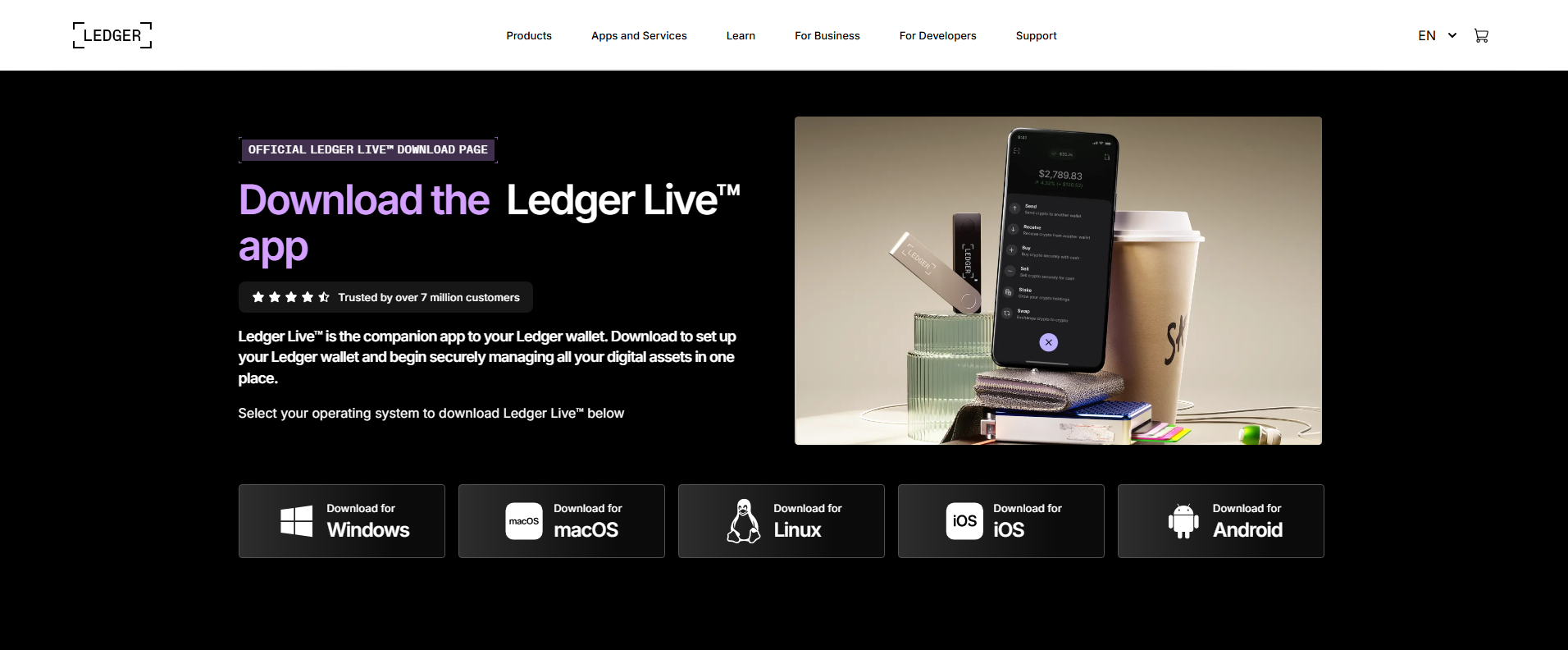
Ledger.com/start: A Complete Guide to Ledger Wallet Setup
Starting with a hardware wallet is an important step for anyone who wants to understand how cryptocurrency storage and transaction security work together. Ledger.com/start is commonly associated with the initial Ledger wallet setup journey, including preparing the hardware device, connecting compatible software, creating or restoring a wallet, protecting recovery information, and learning secure transaction practices.
Understanding Ledger.com/start
Ledger.com/start can be used as a starting point for learning about the setup of a compatible Ledger hardware wallet. The process introduces several important concepts, including device initialization, wallet software, account management, recovery information, and transaction verification.
A Ledger hardware wallet is different from a traditional online cryptocurrency account. Instead of relying solely on an online login, the physical device plays an important role in protecting sensitive wallet operations and authorizing supported transactions.
Preparing for Ledger Wallet Setup
Before beginning the setup process, prepare your Ledger hardware wallet and a compatible computer or supported device. Use trusted wallet software and avoid downloading applications from unfamiliar websites or links.
It is also useful to have enough time to complete the setup without rushing. Carefully reading each instruction and checking information displayed on the hardware device can help reduce mistakes during initialization.
Connecting Your Ledger Device
After preparing the required equipment, connect the Ledger device according to the supported setup instructions. Compatible wallet software can guide you through the process and may display prompts that require confirmation.
Pay attention to the physical device during setup. When the Ledger hardware wallet displays important information, review it directly rather than depending only on the computer interface.
The connection between the software and hardware is an important part of the wallet experience. The software provides the management interface, while the physical device remains involved when sensitive operations require authorization.
Setting Up Your Wallet
During Ledger wallet setup, users may be guided through the process of creating a new wallet or using another supported setup option. Follow the instructions carefully and understand the purpose of each security step before continuing.
One of the most important parts of the process involves recovery information. This information can be used to restore access to a wallet, making its protection essential.
Keep Recovery Information Private
Your recovery phrase should always be treated as confidential wallet information. Store it securely and avoid exposing it to websites, applications, cloud services, messaging platforms, or other people.
Never provide a recovery phrase to someone claiming to offer technical support. Be especially cautious if a website or message says that your Ledger wallet must be verified, unlocked, synchronized, or restored by entering the recovery phrase online.
A legitimate-looking page can still be designed to steal sensitive information, so always consider the source before entering anything confidential.
Using Ledger Live With Your Hardware Wallet
Ledger Live provides a software interface for supported Ledger hardware wallet activities. Depending on the supported features, users can use the application to review accounts, monitor digital assets, manage supported wallet functions, and prepare transactions.
Ledger Live and the Ledger hardware wallet have different responsibilities. The application provides the user interface, while the physical device is involved in important security and transaction-confirmation steps.
Understanding this relationship makes the overall Ledger wallet workflow easier to follow.
Review Transactions Before Confirmation
Transaction verification should be part of every responsible cryptocurrency routine. Before approving a transaction, review the recipient address, amount, network information, and other relevant details.
When transaction information appears on the Ledger hardware wallet, compare it with your intended action. If anything looks different or unexpected, do not approve the transaction until the issue has been investigated.
A careful verification process can help reduce the risk of sending funds to an incorrect destination or approving an unfamiliar request.
Ledger.com/start and Security Awareness
Wallet security involves more than setting up the device correctly. Users should also understand phishing, fraudulent support messages, suspicious downloads, and websites that imitate legitimate cryptocurrency services.
Avoid clicking unexpected wallet links from emails, social media posts, advertisements, or private messages. Instead, independently verify the source before opening wallet software or providing information.
If a person or website asks for your recovery phrase, treat the request as suspicious and do not disclose it.
Common Ledger Setup Mistakes
New hardware wallet users can sometimes make mistakes by rushing through initialization or relying on unreliable instructions. Installing software from an unknown source, ignoring device prompts, or sharing recovery information can create unnecessary security risks.
Another mistake is assuming that the recovery phrase works like an ordinary password. It has a much broader role in wallet recovery and therefore requires strong protection.
When something unexpected appears during setup, pause rather than entering sensitive information immediately.
Managing Accounts After Setup
Once the Ledger wallet has been initialized, compatible software can provide tools for managing supported cryptocurrency accounts and assets. Users may be able to review balances, monitor account activity, and prepare supported transactions.
Keeping wallet accounts organized can make regular management easier. However, convenience should always be combined with careful verification and security awareness.
Ledger Live Desktop for Computer-Based Management
Users who prefer managing their wallet from a computer may use the supported desktop version of Ledger Live for compatible wallet activities. A larger desktop interface can make it easier to review account information and organize supported digital assets.
Regardless of whether wallet software is used on a desktop or another supported platform, the same security principles remain important. Protect recovery information, use trusted software, and verify sensitive operations through the physical hardware wallet.
Building a Consistent Ledger Wallet Routine
The initial Ledger setup is only the beginning. Good wallet management continues whenever you connect the device, review an account, or approve a transaction.
Keep the hardware wallet secure, maintain control of recovery information, use trusted applications, and pay attention to unexpected requests. Making these practices part of your regular routine can make cryptocurrency management more organized.
Final Thoughts
Ledger.com/start provides a useful starting point for understanding Ledger hardware wallet setup and the security practices surrounding it. From preparing the device and connecting compatible software to protecting recovery information and reviewing transactions, each stage contributes to a responsible wallet-management routine.
The most important principles are simple: use trusted software, keep your recovery phrase private, carefully review information displayed on the hardware wallet, and never approve a transaction without checking the details. Understanding these fundamentals can help users approach Ledger wallet setup with greater awareness and consistency.
Updated about 9 hours ago