
Ledger.com/Start® — Getting Started with Ledger Live™
Ledger.com/start provides clear guidance for Ledger wallet setup, device initialization, Ledger Live connectivity, account management, recovery protection, and secure digital asset practices.
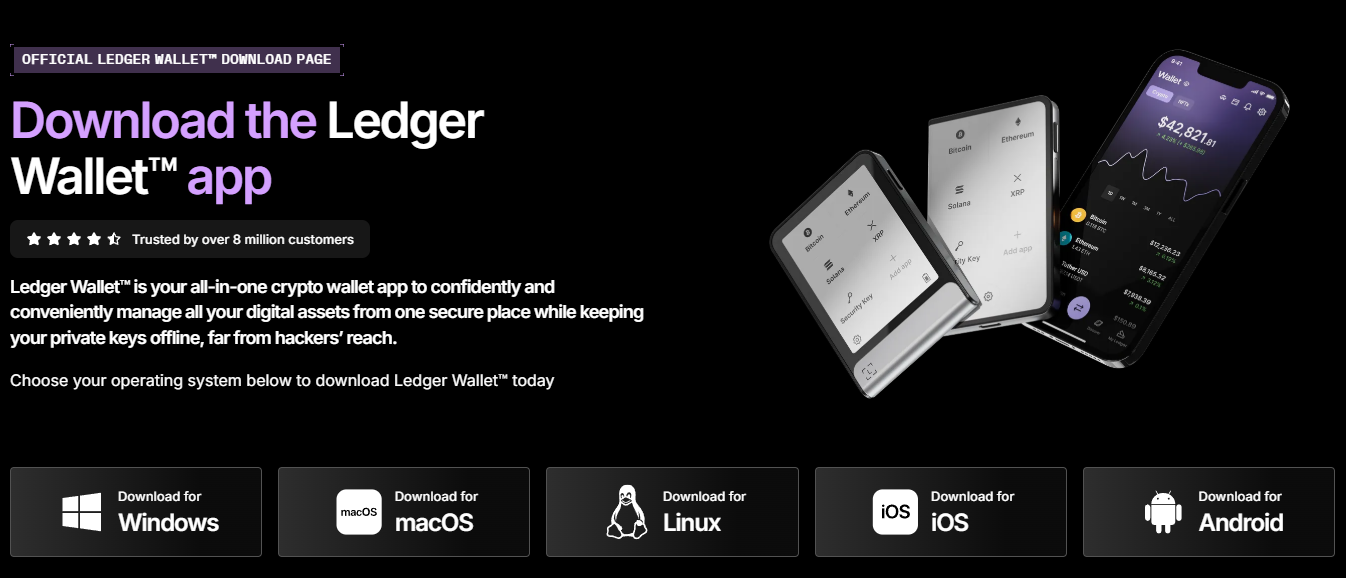
Ledger.com/start: Ledger Wallet Setup and Ledger Live Login Guide
A Ledger hardware wallet provides a physical security layer for managing supported digital assets. For new users, the setup process is an important opportunity to understand how the device, wallet software, recovery information, and transaction verification work together. Ledger.com/start is a useful starting topic for learning the fundamentals of Ledger wallet setup and getting familiar with the Ledger Live environment.
Ledger.com/start and the Ledger Wallet
The Ledger wallet setup process begins with the physical hardware device. Unlike a conventional cryptocurrency account that can be accessed entirely through a website, a hardware wallet keeps important security operations connected to a physical device.
The compatible wallet application provides an interface for managing supported accounts and digital assets. The hardware wallet, meanwhile, remains an important part of sensitive operations such as device verification and transaction approval.
Understanding this relationship can make the Ledger wallet easier to use and can help prevent common setup mistakes.
Preparing for Ledger Wallet Setup
Before starting, prepare the Ledger hardware wallet and a compatible computer or supported device. Make sure the wallet software you plan to use has been obtained from a trustworthy source.
Avoid relying on links sent through unexpected messages or advertisements. Cryptocurrency users should be particularly careful with websites that imitate wallet services or ask for confidential information.
It is also worth taking time to read each setup instruction carefully. Rushing through wallet initialization can make it easier to overlook an important security prompt.
Setting Up the Ledger Wallet
Connect the hardware wallet according to the appropriate setup instructions. The compatible software may guide you through device preparation, initialization, and other configuration steps.
During setup, pay close attention to information displayed on the physical Ledger device. If the device asks you to confirm an action, review the information before proceeding.
The hardware wallet should remain under your control throughout the setup process. Do not allow an unfamiliar person or remote support service to take control of the device.
The Ledger Wallet App
The Ledger wallet app provides a software-based environment for interacting with supported Ledger hardware wallets. Depending on the available functionality, users can use compatible software to review accounts, monitor supported assets, and prepare transactions.
The application is an interface rather than a replacement for the physical hardware wallet. Sensitive wallet operations can require interaction with the device itself.
Keeping this distinction in mind helps users understand why both the software environment and the physical wallet are important.
Ledger Live Login Explained
Ledger Live login is often discussed when users begin accessing the Ledger software environment. However, hardware wallet access should not be viewed exactly like logging into a conventional online financial account.
A connected hardware wallet can be an important part of the overall security workflow. Users should also be cautious about fake login pages designed to imitate legitimate wallet software.
If a website claims that Ledger Live login requires your recovery phrase, stop immediately. A recovery phrase should never be entered into a website simply to gain access to wallet software.
Protect Your Recovery Phrase
Recovery information is among the most sensitive information associated with a cryptocurrency wallet. Keep it private and store it in a secure offline location.
Never send your recovery phrase through email, messaging applications, social media, online forms, or customer-support conversations.
You should also be suspicious of anyone who asks for recovery information to “verify” a Ledger wallet, restore an account, fix a Ledger Live login problem, or unlock cryptocurrency.
Your recovery information should remain under your control.
Using Ledger Live for Account Management
Once the hardware wallet and compatible software have been prepared, users can work with supported cryptocurrency accounts through the Ledger Live environment.
Depending on supported features, the software can provide information about accounts and assets and allow users to prepare certain wallet activities.
When using Ledger Live, make it a habit to review important information carefully. Software convenience should never replace security verification.
Verify Transactions Before Approval
Before confirming a cryptocurrency transaction, carefully review the information provided by the wallet. Check the destination address, amount, network, and other relevant details.
When the Ledger hardware wallet displays transaction information, compare it with what you intended to do. If the information does not match, do not approve the transaction.
This device-level review is an important part of maintaining a careful hardware wallet routine.
Recognizing Fake Ledger Pages
Phishing pages may use terms such as Ledger wallet, Ledger Live, Ledger Live login, or Ledger wallet app to appear legitimate. Some may use urgent messages claiming that an account must be verified immediately.
Do not respond to unexpected requests for recovery information. Avoid entering confidential wallet details into websites reached through suspicious links.
If a message or webpage creates unusual urgency around your wallet, pause and independently verify the source before taking action.
Common Ledger Wallet Setup Mistakes
Several mistakes can be avoided by slowing down during setup. These include downloading software from an unreliable source, sharing recovery information, ignoring warnings, connecting an unexpected device, and approving transactions without checking the hardware display.
Another mistake is assuming that every page containing Ledger branding is genuine. Always consider where the page came from and whether you intentionally opened it.
Good security habits begin before the first transaction and continue throughout everyday wallet management.
Managing Your Ledger Wallet After Setup
After completing the initial setup, users can establish a regular routine for managing supported cryptocurrency accounts. This may include checking balances, reviewing activity, organizing accounts, and preparing transactions through compatible wallet software.
Keep your hardware wallet secure when it is not in use and continue protecting your recovery information. Regular security awareness is just as important after setup as it is during the initial configuration.
Ledger.com/start as a Setup Reference
Ledger.com/start can be understood as part of the broader learning process surrounding Ledger hardware wallet setup. The most important concepts include device preparation, trusted software, wallet initialization, recovery protection, Ledger Live access, and transaction verification.
Learning these concepts before actively managing cryptocurrency can make the overall wallet experience easier to understand.
Final Thoughts
Ledger.com/start provides a useful starting point for learning about Ledger wallet setup and the software environment used with compatible hardware. The Ledger wallet app can help organize supported accounts and digital assets, while Ledger Live login is part of accessing the software experience.
A secure approach requires more than simply connecting a device. Use trusted software, protect your recovery phrase, keep control of your hardware wallet, and carefully verify transactions on the physical device before approving them. These habits create a practical foundation for responsible Ledger wallet management.
Updated about 9 hours ago